
Clifton Park Spark
3tone Digital Layer
Bg Sparks
3tone Digital Icon
3tone Digital Icon
Clifton Park Spark Logo

HISTORY OF
CLIFTON PARK, NY

Clifton Park: Where History Takes a Turn at I-87!
Early History

Clifton Park: Our Town’s Story

Clifton Park, NY, was first inhabited by Native Americans, with European settlement starting in the mid-1600s, focusing on farming and ferries.
Origins
Clifton Park began as part of Halfmoon, settled in the 17th century.
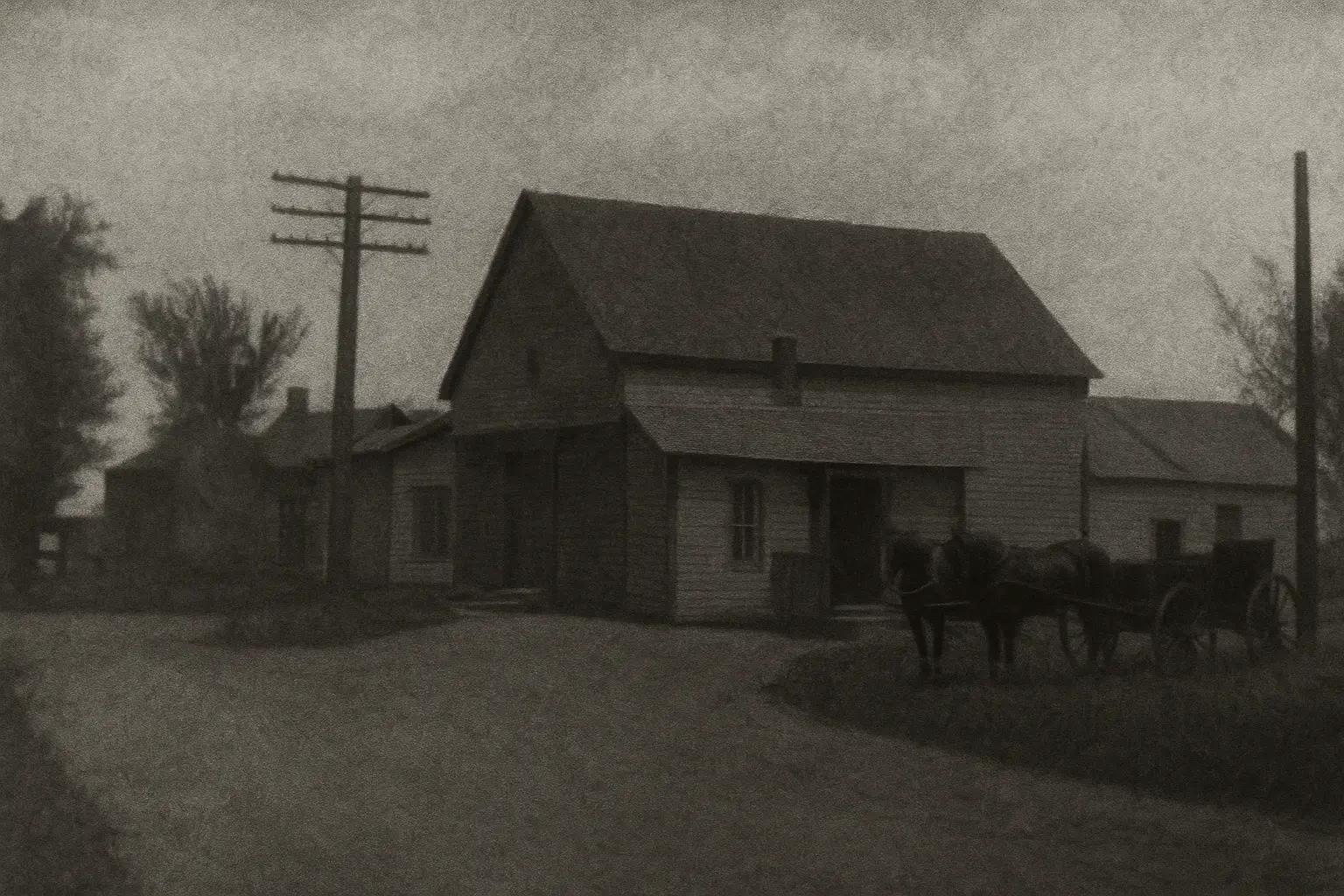
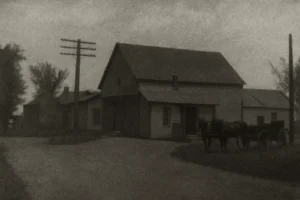
Smith's Feed and Grain Store
Naming and Formation
Named after a 1708 land patent, it became a town in 1828.
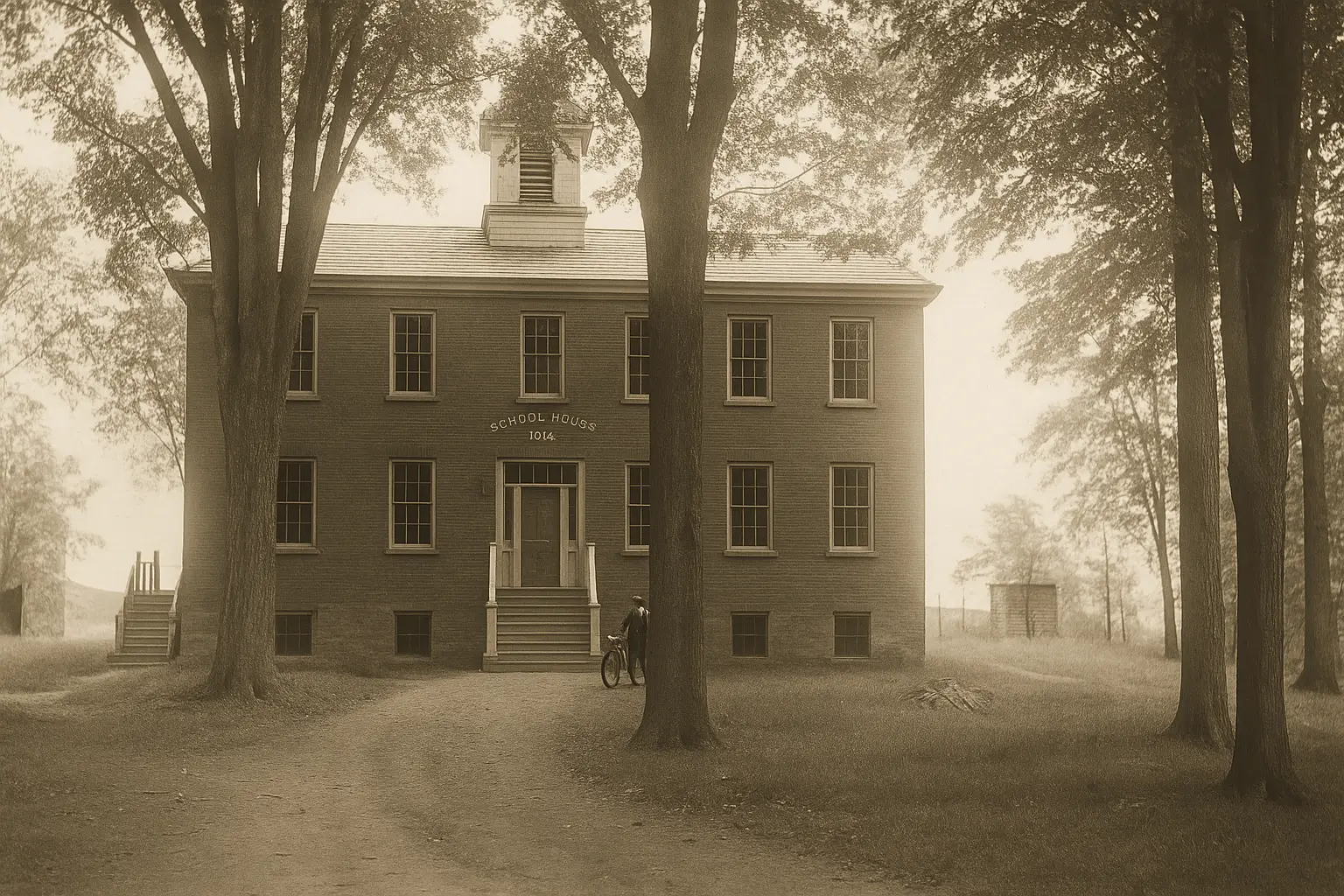
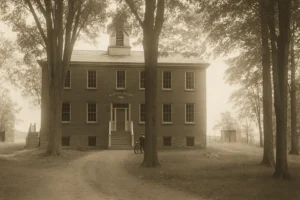
Jonesville Academy Dormitory
Early Growth
The Erie Canal in 1825 sparked commerce and population growth.
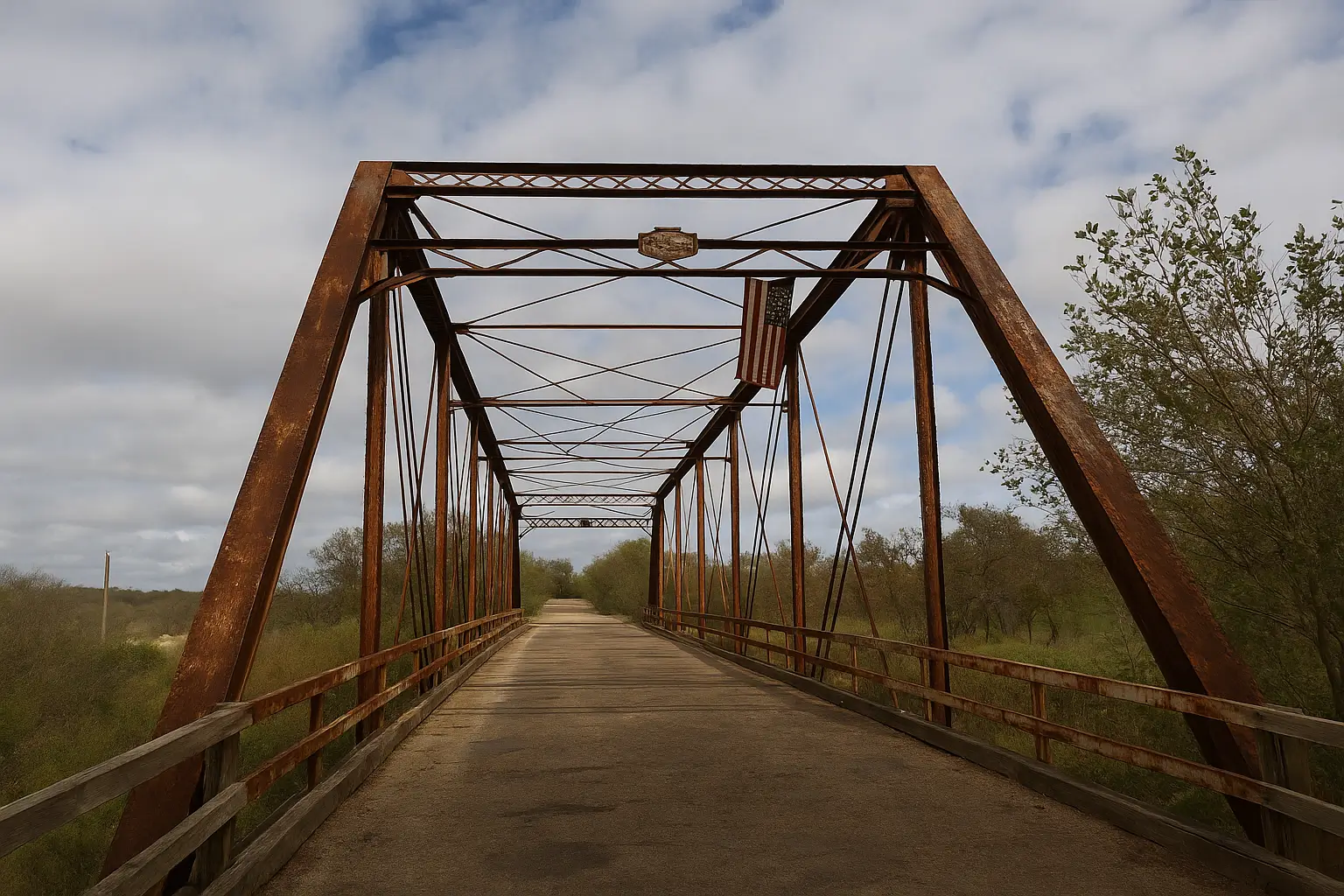
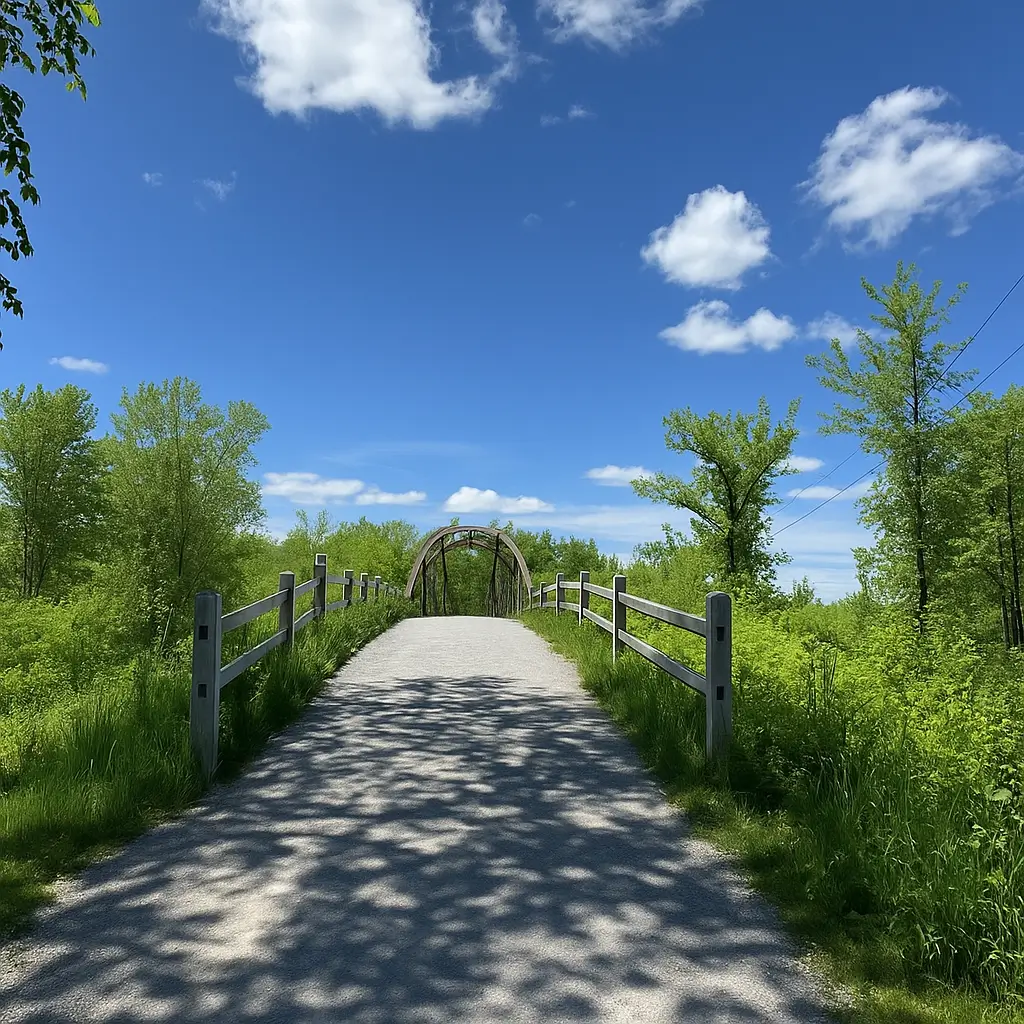
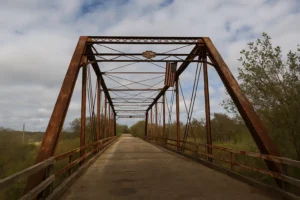
Whipple Bridge Clifton Park
Transportation Impact
Interstate 87, built in 1961, turned Clifton Park into a suburban hub.
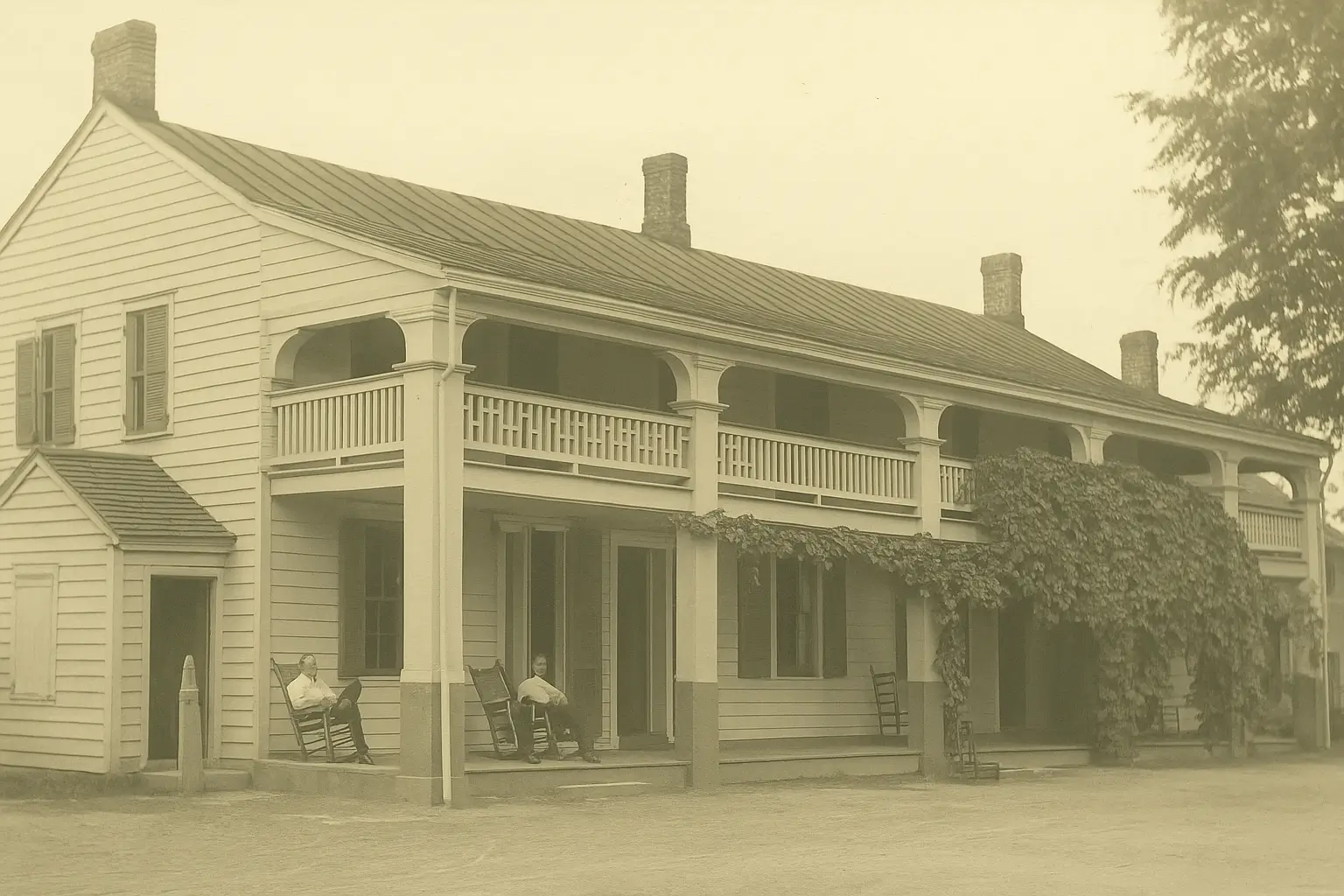
Clifton Park Hotel
Historic Preservation
Historic sites like Grooms Tavern and Vischer Ferry preserve its past.
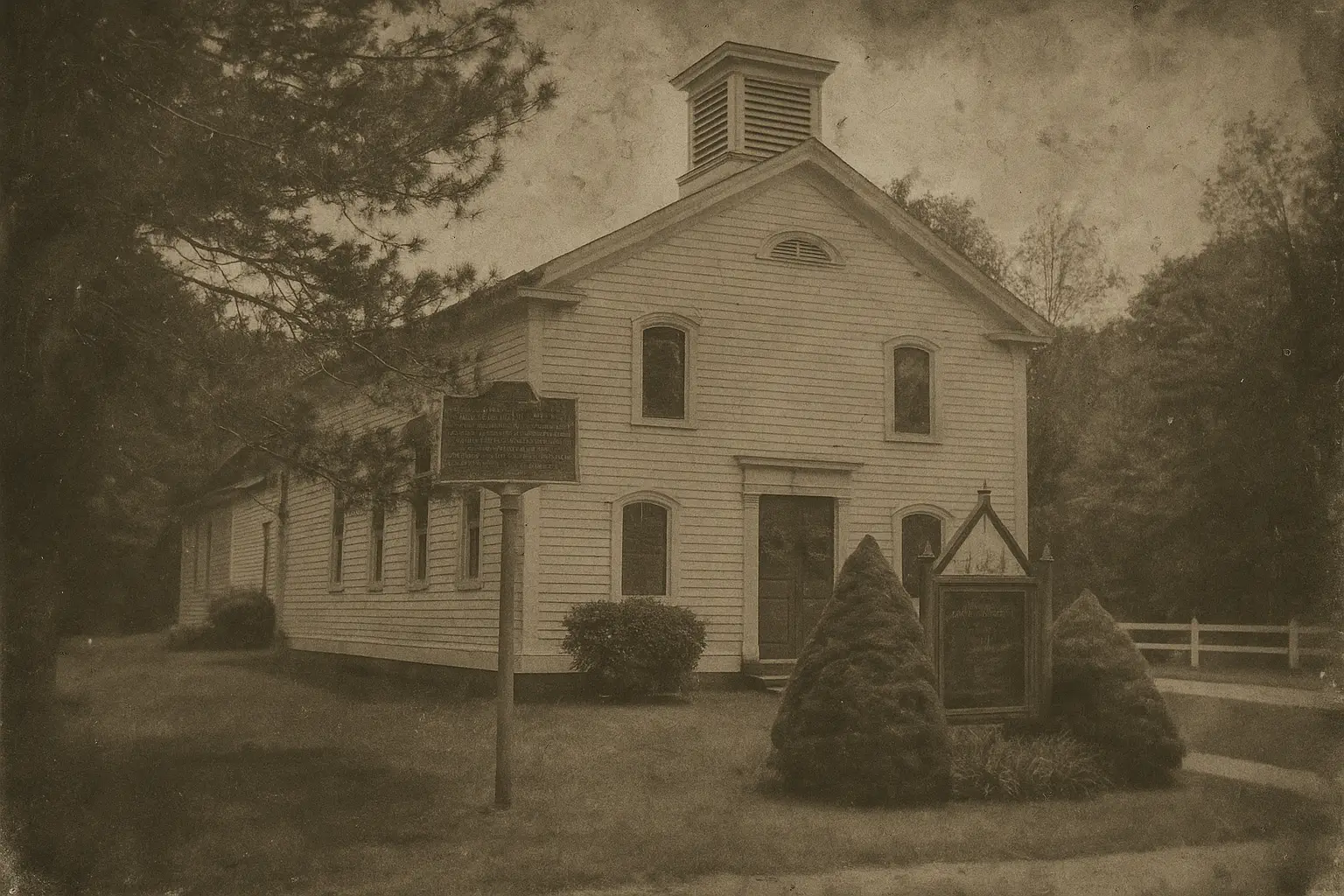
Rexford United Methodist Church Clifton Park
Modern Clifton Park
Now a family-friendly town with parks, schools, and deep heritage.
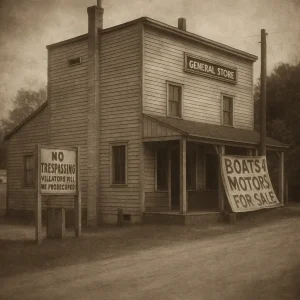
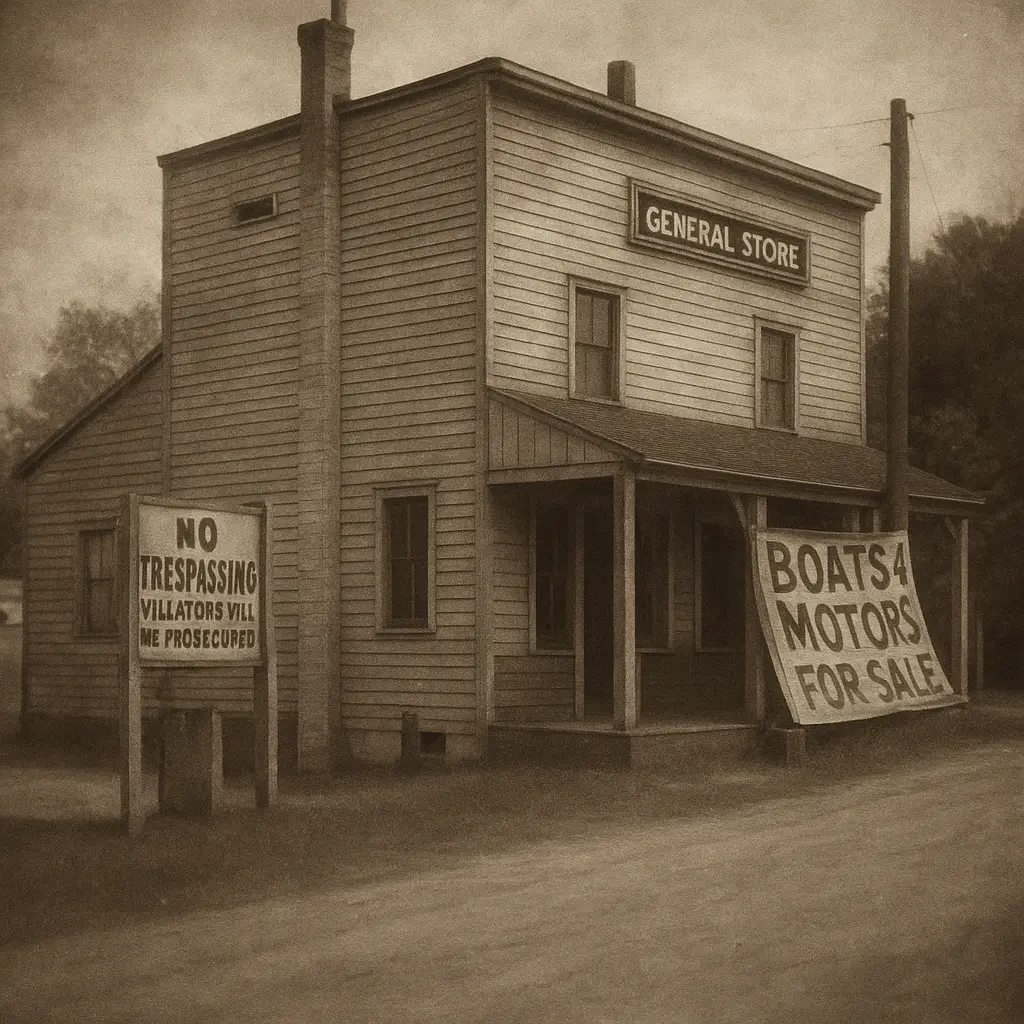
Vischer Ferry General Store Clifton Park

FAQ

+ AI

Got questions about Clifton Park’s journey from Native American lands to a modern suburban gem? Our FAQ section has answers! Explore the stories behind the Erie Canal, Whipple Bridge, and more, or reach out to learn about your favorite piece of our town’s history.
Mon – Friday, 10-19 PM

Meet Your Clifton Park History Guides

Explore Clifton Park’s rich history through our unique AI assistants:

Sarcastic History Bot

Joe

A friendly and helpful assistant who can answer questions about Clifton Park’s history and facts.
Enthusiastic History Bot

Brenda

A stressed out assistant who can answer questions about Clifton Park’s history and facts.

How to Use:

  1. Choose your preferred guide by clicking their icon above the chat
  2. Type your question about Clifton Park history in the chat box
  3. Try our suggested questions or ask your own
  4. Switch personalities anytime (this will start a new chat)
Mid-1600s
European settlement begins, focusing on farming
1710-1790
Ferries like Dunsbach and Vischer’s Ferry established
1763
Post-French and Indian War settlement surge
1825
Erie Canal opens, with aqueducts at Crescent and Rexford
1828
Clifton Park splits from Halfmoon, first meeting at Grooms Tavern
Early 1960s
Interstate 87 (Northway) constructed
1960s
Robert Van Patten’s housing developments (Clifton Knolls, Country Knolls)

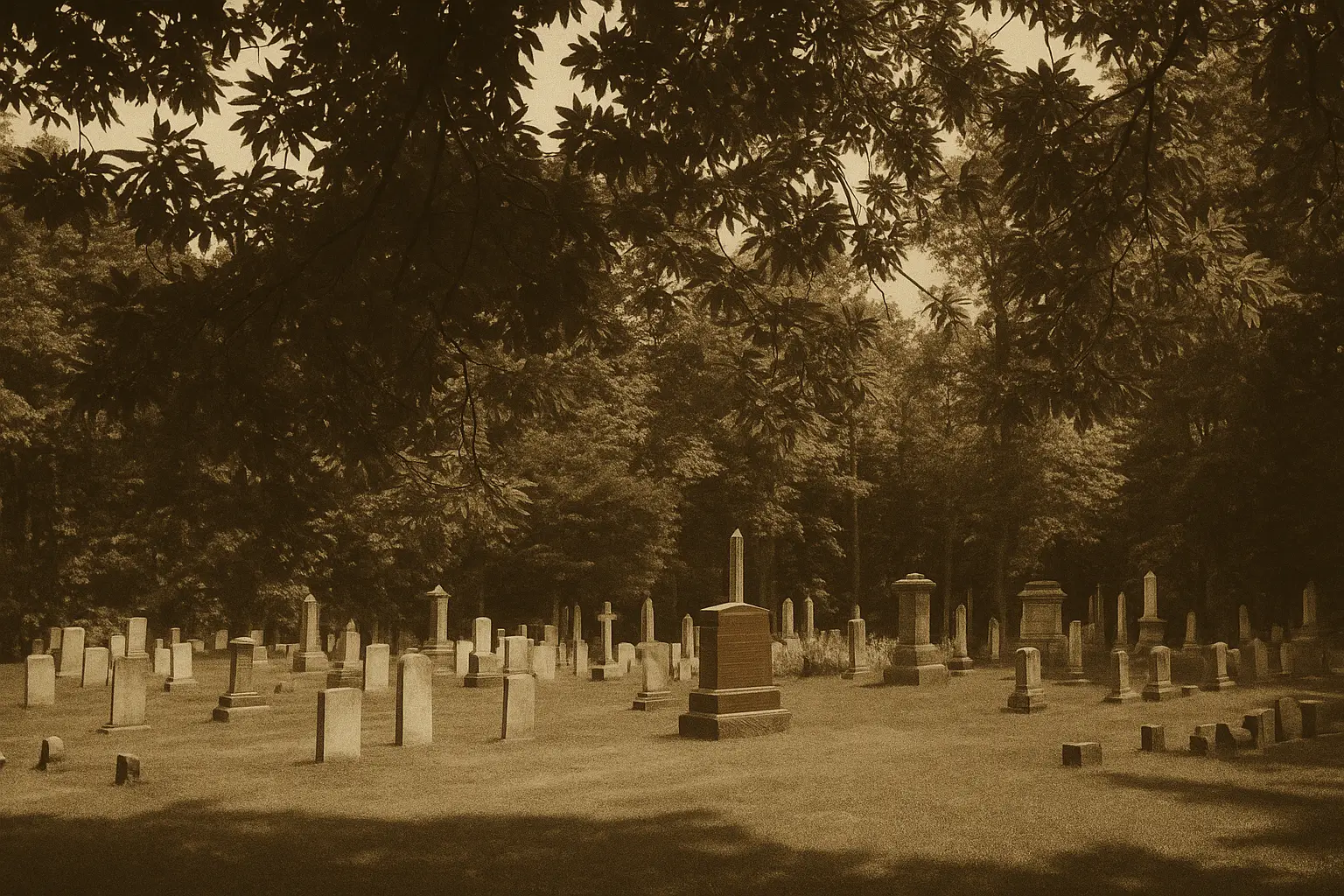
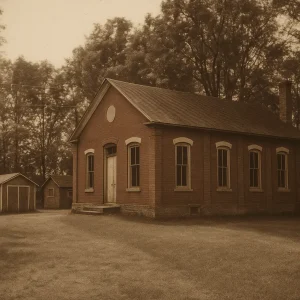
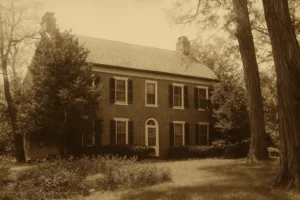
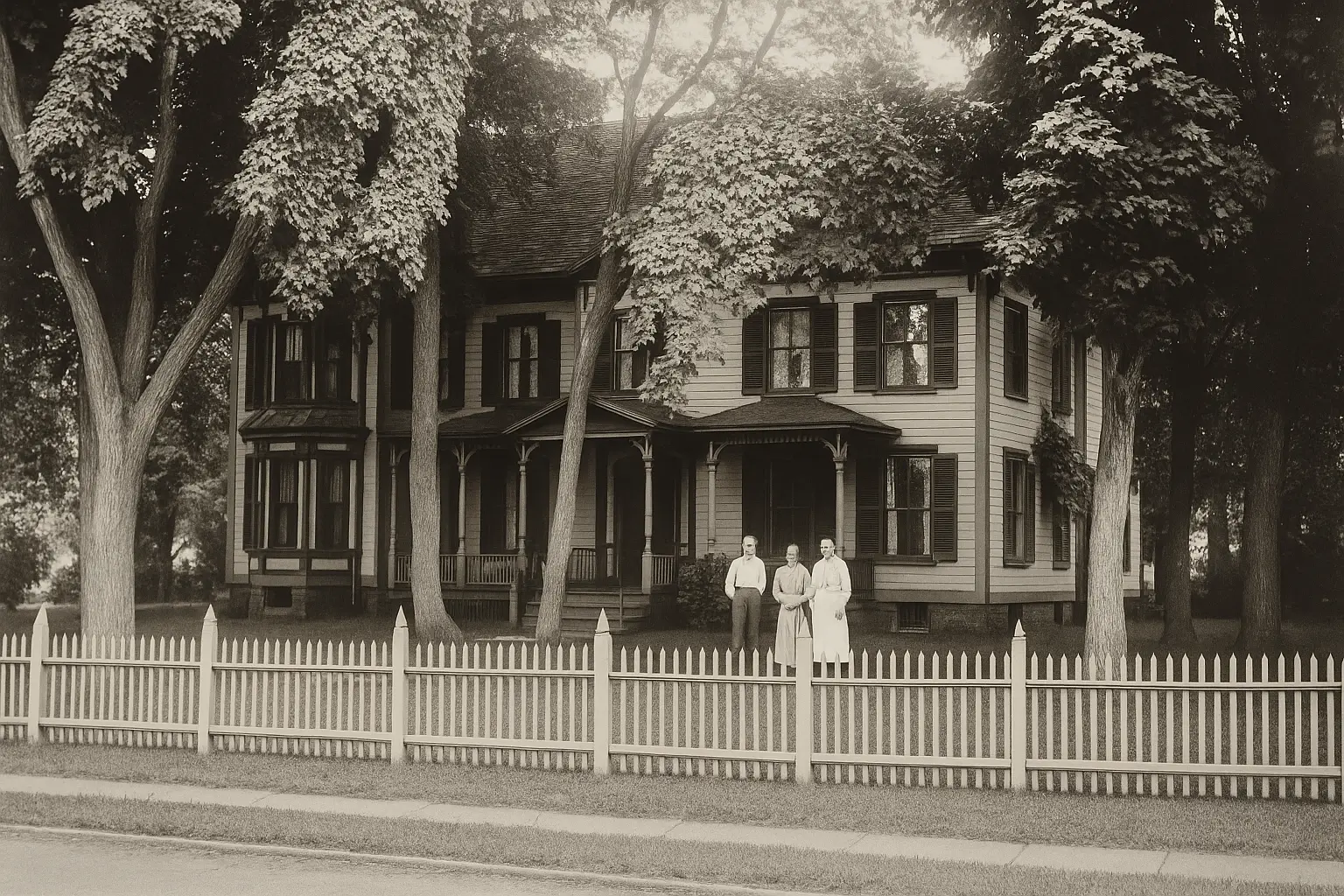
LANDMARK IMAGES ReSTORED USING AI.

  • Amity Reformed Church Cemetery
    Learn
    Amity Reformed Church Cemetery

    Amity Reformed Church & Cemetery

    In 1802, members of the First Reformed Churches of Schenectady who lived on the north side of the Mohawk River organized and built the Amity Dutch Reformed Church; the present building dates to 1888. Be sure to notice the lovely stained glass windows from Tiffany & Co.® New York.

    Amity Reformed Church & Cemetery

  • School House District No 3 Clifton Park
    Learn
    School House District No 3 Clifton Park

    School House, District No. 3

    This building, probably constructed in 1848, would have been the center of activity in the 1800s, as it was the local school. In 1849, it had 68 students, and six years later, 141 students! This sudden increase was due to all of the activity of the nearby Erie Canal.

    School House, District No. 3

  • Nicholas Vischer House Clifton Park
    Learn
    Nicholas Vischer House Clifton Park

    Nicholas Vischer House

    The small, one-and-a-half story home of Nicholas and Annetie Vischer is likely the oldest building in Clifton Park, built as early as 1735. It is the smaller building attached to the back of the large brick structure (built 1806 by son Eldert). This would have been a typical early Dutch home along the Mohawk River, made with local bricks and timber, with cupboard beds and a fireplace with a large hood above it.

    Nicholas Vischer House

  • Vischer Ferry General Store Clifton Park
    Learn
    Vischer Ferry General Store Clifton Park

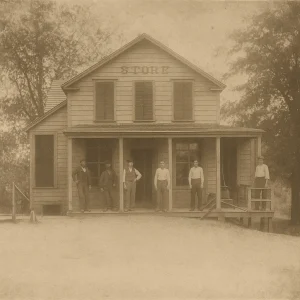
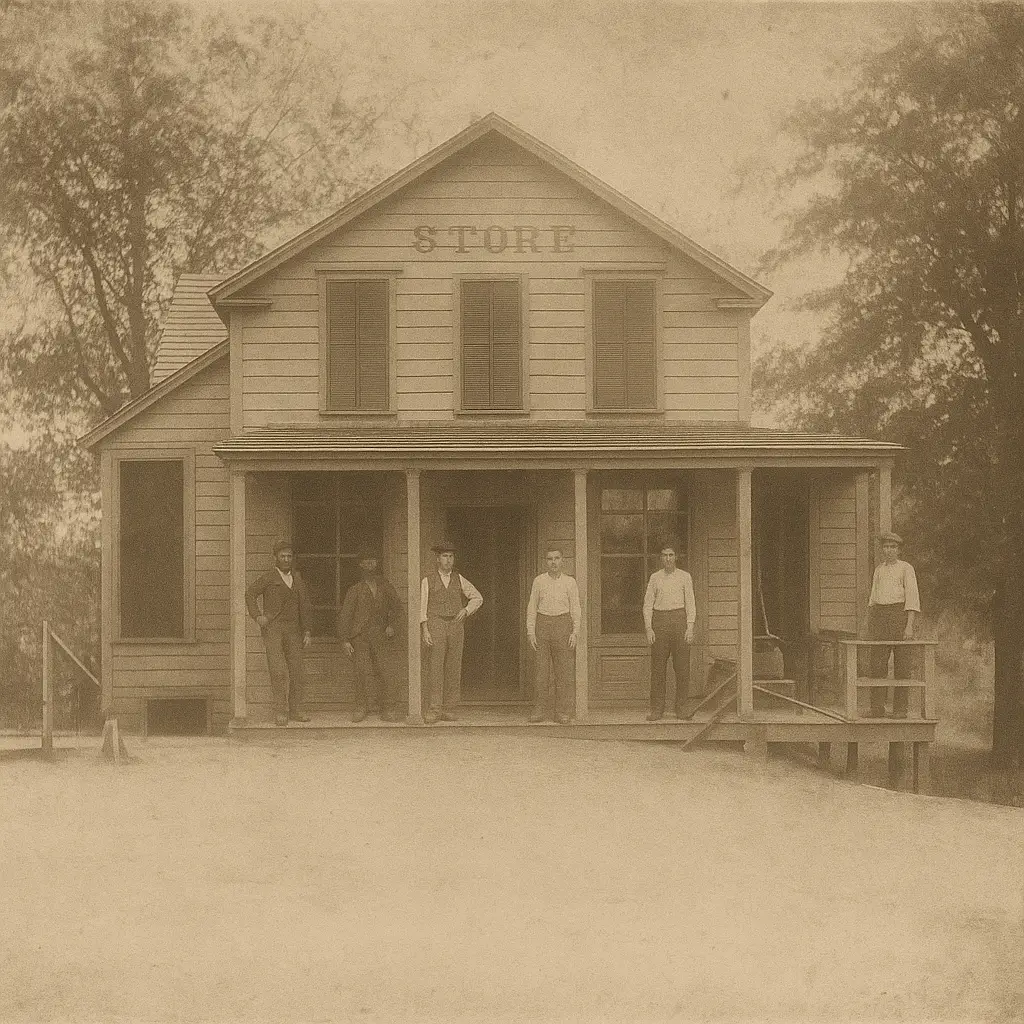
    Vischer Ferry General Store

    The earliest owners of the store at this location were Gerardus and Jemima Clute, who built the large white house just past the store on Riverview Road. There has been a store of some type here for more than 150 years.

    Vischer Ferry General Store

  • Best Home Clifton Park
    Learn
    Best Home Clifton Park

    Best Home

    This brick farmhouse, located about one mile north of Vischer Ferry, dates from 1815. Before that date, Abraham and Harriet Best perhaps lived in the frame back wing of the building, which may date from as early as 1786.

    Best Home

  • Birch Tavern Clifton Park
    Learn
    Birch Tavern Clifton Park

    Birch Tavern

    This country tavern was operated by Sylvenus Birch, and later by his sons Seymour and Almand Birch. Like Grooms Tavern, a mile to the west, it frequently housed Town Board meetings in the 1830s and 1840s.

    Birch Tavern

  • Schenectady Yacht Club Clifton Park
    Learn
    Schenectady Yacht Club Clifton Park

    Schenectady Yacht Club

    The Yacht Club is housed in a former canal store, one of many that provided 24/7 service for canal workers and passengers for the eight months of each year that the canal was open.

    Schenectady Yacht Club

  • Rexford United Methodist Church Clifton Park
    Learn
    Rexford United Methodist Church Clifton Park

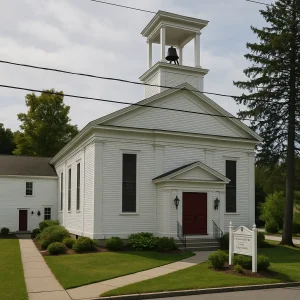
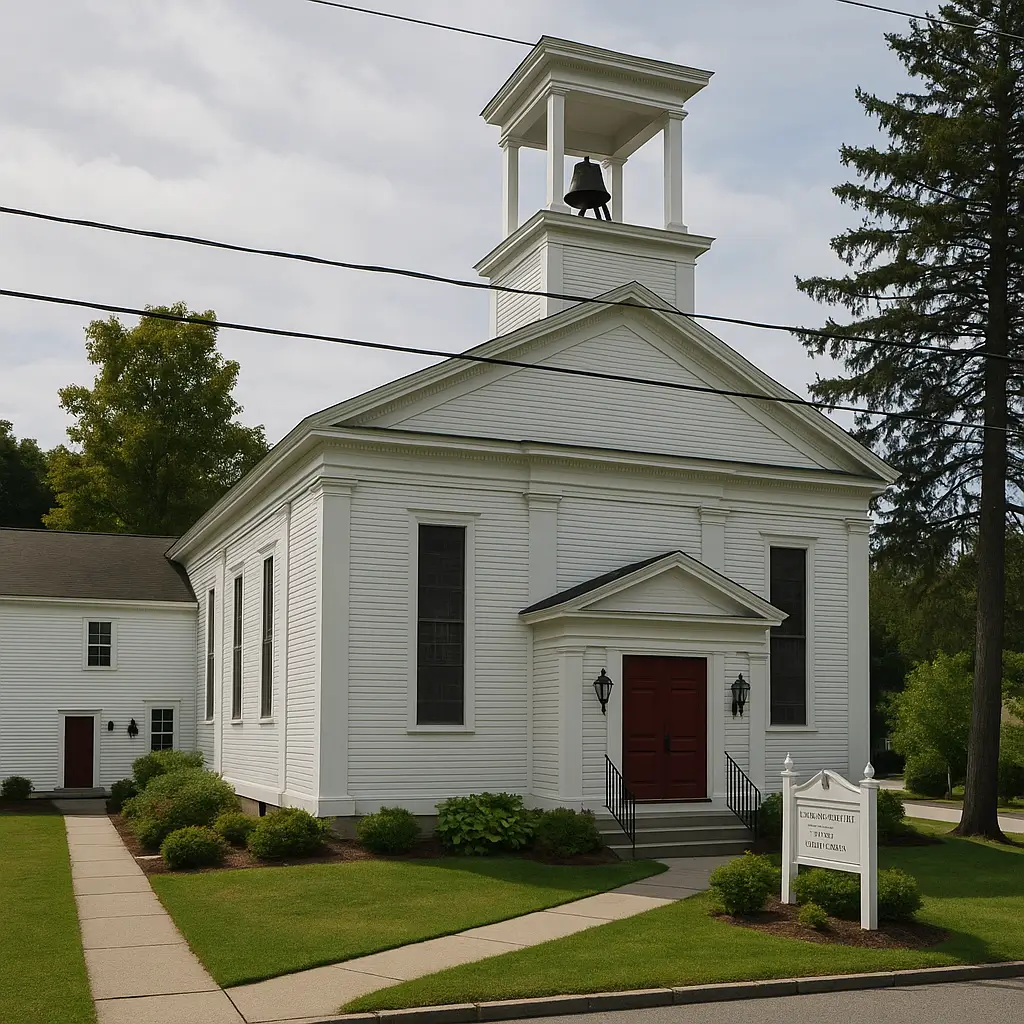
    Rexford United Methodist Church

    The Rexford United Methodist Church was founded about 1833. The present church building was dedicated in 1840.

    Rexford United Methodist Church

  • Cyrus Rexford House Clifton Park
    Learn
    Cyrus Rexford House Clifton Park

    Cyrus Rexford House

    This colorful “painted lady” was built in the “Stick” style of Victorian architecture. Cyrus W. Rexford, who built the home in 1883, owned a canal-side store and was a Clifton Park town supervisor for seven years.

    Cyrus Rexford House

  • Garnsey House Clifton Park
    Learn
    Garnsey House Clifton Park

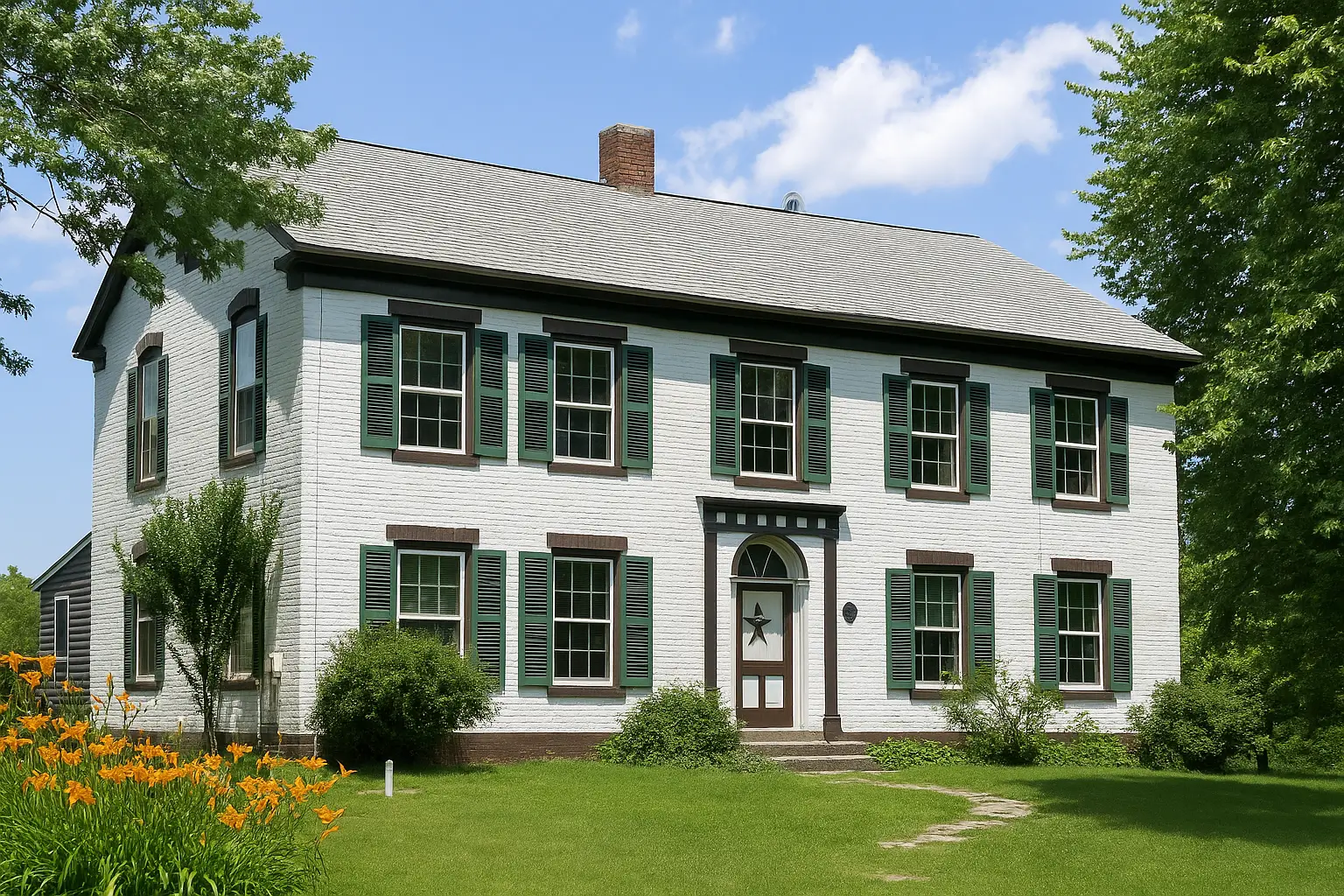
    Garnsey House

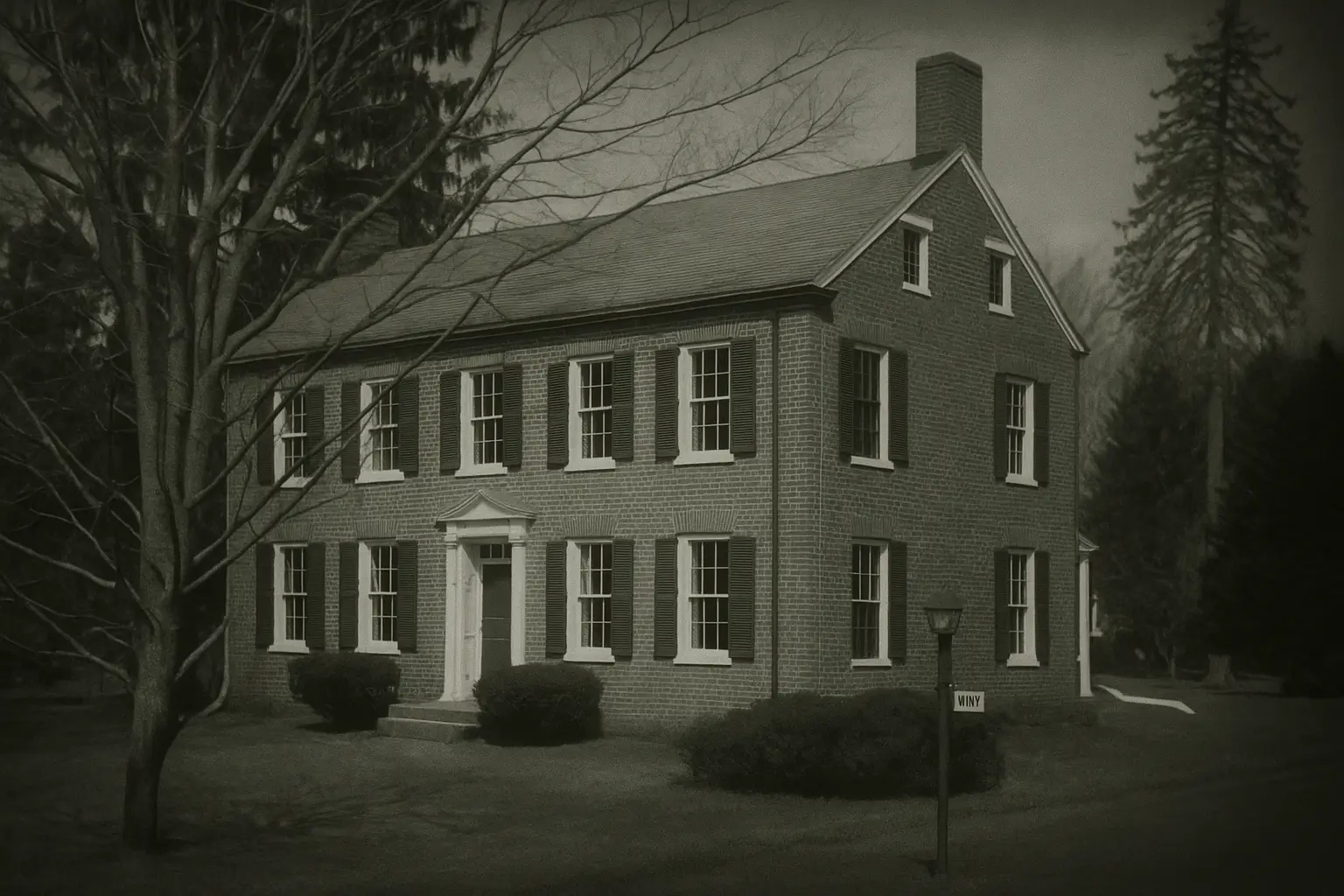
    This large, white brick house was built in 1791 by an early settler from Connecticut, Nathan Garnsey, in a style typical of New England. His son, Nathan Garnsey, Jr., was the supervisor of Halfmoon, before Clifton Park was formed from that town in 1828, and then became supervisor in Clifton Park in 1829.

    Garnsey House

  • Clifton Park Methodist Church
    Learn
    Clifton Park Methodist Church

    Clifton Park Methodist Church

    Most buildings of Clifton Park Village have been lost to Route 9 and development, but the original Clifton Park Methodist Church remains. The congregation formed in the 1830s, but the present brick structure dates from 1842, when it cost only $1,200 to build.

    Clifton Park Methodist Church

  • Clifton Park Hotel
    Learn
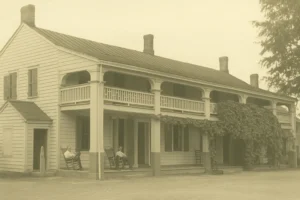
    Clifton Park Hotel

    Clifton Park Hotel

    This building straddles the Clifton Park-Halfmoon town line. Local lore says that the bar inside the hotel would be shifted from one side to the other, depending on which town was “dry” at the time.

    Clifton Park Hotel

  • Schoolhouse 5 Clifton Park
    Learn
    Schoolhouse 5 Clifton Park

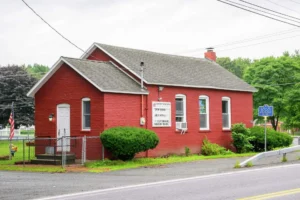
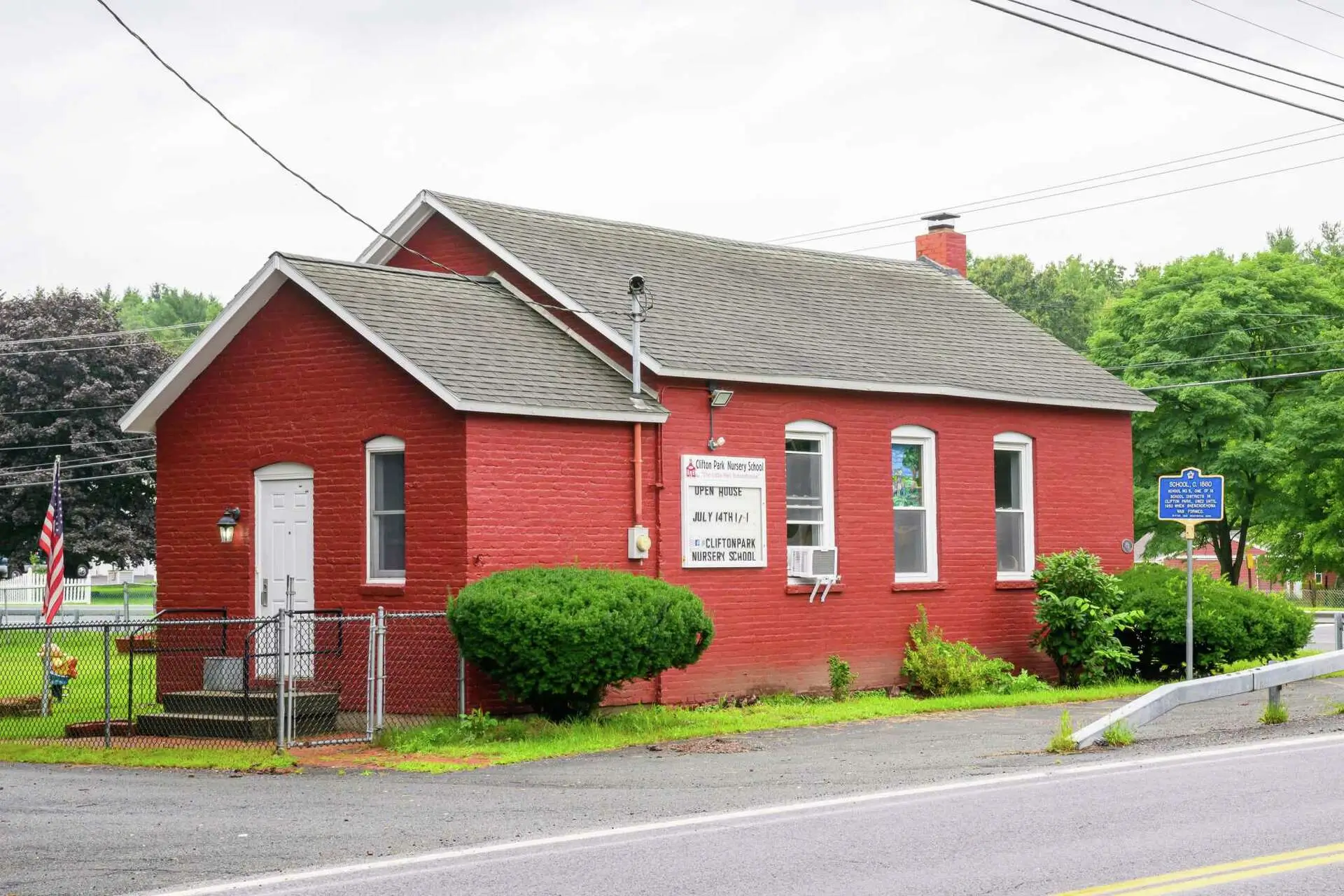
    School No. 5

    This original schoolhouse, Clifton Park No. 5, has served as a school since the creation of school districts in Clifton Park in 1828.

    School No. 5

  • Forts Ferry Marker Clifton Park
    Learn
    Forts Ferry Marker Clifton Park

    Fort’s Ferry marker

    Fort’s Ferry was the first European settlement in Clifton Park, started in 1672. The last surviving house was burned by arsonists in 1973.

    Fort’s Ferry marker

  • Whipple Bridge Clifton Park
    Learn
    Whipple Bridge Clifton Park

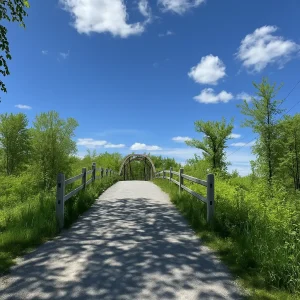
    Whipple Bridge

    This 1869 Whipple truss bridge is typical of bridges built for the Erie Canal from the 1850s to the late 1800s. This bridge was originally in Schoharie County before being relocated and reconstructed at the Preserve in 1997.

    Whipple Bridge

  • Smith's Feed and Grain Store
    Learn
    Smith's Feed and Grain Store

    Smith’s Supply

    Another general store, Smith’s Feed and Grain Store, served Elnora from the 1800s on. The store also sold hardware, plants, seeds, and farm equipment.

    Smith’s Supply

  • Jonesville Academy Dormitory
    Learn
    Jonesville Academy Dormitory

    Jonesville Academy dormitory

    The Jonesville Academy provided an academic, classical, commercial, and “ornamental” education to high school-aged students, 1836-1876. It educated 181 students at its height.

    Jonesville Academy dormitory

  • Jonesville United Methodist Church
    Learn
    Jonesville United Methodist Church

    Jonesville United Methodist Church

    Although a “Methodist Church Society” had existed in the hamlet since 1826-and worshipped in their first church, now located across the street-this structure dates from 1855. It has elements of Greek Revival architecture in its pilasters and other details.

    Jonesville United Methodist Church

  • Jonesville Store Clifton Park
    Learn
    Jonesville Store Clifton Park

    Jonesville Store

    For many years, the Jonesville Store was both a general store and post office, as well as one of the social hubs of Jonesville.

    Jonesville Store